How to Teach Responsible Social Media Use in Middle School

That is why teaching responsible use early is so important.
If you are looking for practical social media safety tips for middle school students and wondering how social media for schools fits into learning, this guide will help you navigate it with confidence.
Why Social Media Matters in Middle School
Middle schoolers are at a stage where they are:
- Building identity
- Seeking peer approval
- Becoming more independent
Social media can influence all of these areas—for better or worse.
According to American Academy of Pediatrics, social media can impact mental health, self-esteem, and sleep habits if not used carefully.
At the same time, when used responsibly, it can:
- Encourage creativity
- Support communication skills
- Provide educational opportunities
The goal is not to eliminate social media—but to teach kids how to use it wisely.
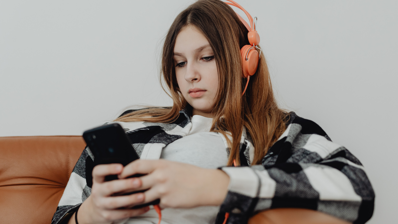
Social Media Safety Tips for Middle School Students
Here are some essential social media safety tips for middle school students that every parent should reinforce:
1. Protect Personal Information
Teach your child to never share:
- Home address
- School location
- Phone number
- Passwords
Organizations like Common Sense Media provide excellent guidelines for age-appropriate digital behavior.
2. Think Before Posting
Help your child understand that once something is online, it can be permanent.
Encourage them to ask:
- “Would I be okay if a teacher saw this?”
- “Would I want this shared about me?”
3. Recognize Online Risks
Middle schoolers should be aware of:
- Cyberbullying
- Scams or fake accounts
- Strangers pretending to be someone else
The Federal Trade Commission offers helpful tips for staying safe online.
4. Set Healthy Boundaries
Too much screen time can affect sleep, focus, and mood. It’s not about removing screens completely—it’s about creating balance and structure to manage screen time:
- Set daily limits
- For example: 1–2 hours of recreational screen time on school days (outside of homework).
- Create “screen-free” times
- During meals
- 1 hour before bedtime
- Before school in the morning
- Designate “screen-free” zones
- Keep devices out of bedrooms at night to protect sleep.
- Use screens with purpose
- Encourage using devices for learning, creativity, or communication—not just passive scrolling.
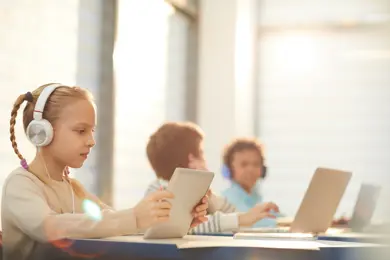
The Role of Parents in Digital Responsibility
Middle schoolers still need guidance—and your involvement matters more than ever.
Here’s how you can support your child:
1. Keep Communication Open
Instead of strict control, focus on conversation. Ask:
- “What apps are you using?”
- “What do you like about them?”
Creating a safe space makes your child more likely to come to you with concerns.
2. Set Clear Rules and Expectations
Establish guidelines around:
- Screen time limits
- Approved platforms
- When devices can be used (e.g., no phones at bedtime)
Consistency is key.
3. Model Healthy Behavior
Kids notice your habits. Try to:
- Limit your own screen time
- Avoid constant phone use during family time
4. Create a Supportive Environment
A structured home environment can reduce overuse and distraction. Create a study friendly environment.
Designing your home in a way that naturally encourages focus, healthy habits, and balanced screen use—without constant reminders or conflict. The goal is to make the right choices easier and distractions less tempting.
Social Media for Schools: Can It Be Positive?
You might be surprised to learn that social media for schools can actually be beneficial when used correctly.
Educators are increasingly using digital platforms to:
- Share announcements and updates
- Encourage collaboration
- Highlight student achievements
According to the International Society for Technology in Education, digital tools can enhance learning when paired with proper guidance and digital citizenship education. Parents should encourage productive tech use.
Teaching Digital Citizenship
Responsible social media use is really about teaching digital citizenship—how to behave respectfully and safely online.
Encourage your child to:
- Be kind and respectful in comments
- Report inappropriate behavior
- Think critically about what they see online
- Take breaks from social media when needed
These habits will help them not just in middle school, but throughout life.
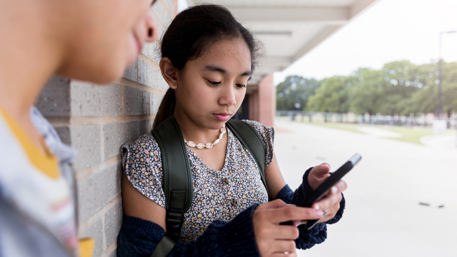
Signs Your Child May Need More Support
It’s important to watch for warning signs of unhealthy social media use, such as:
- Sudden mood changes after using their phone
- Trouble sleeping
- Avoiding real-life interactions
- Becoming secretive about online activity
If you notice these patterns, it may be time to reset boundaries and have a deeper conversation.
Final Thoughts
Teaching responsible social media use is not about control—it is about preparation.
By sharing social media safety tips for middle school students and guiding how social media for schools can be used positively, you are helping your child build skills they will need for life in a digital world.
With the right support, middle schoolers can learn to:
- Stay safe online
- Use technology with purpose
- Build healthy, balanced habits
And that’s a lesson that goes far beyond the screen.