Middle School Career Exploration: Helping Students Find What They’re Good At

Middle school is an important time for career exploration. At this age, students begin forming ideas about who they are and what they enjoy. With the right guidance, they can discover their strengths, interests, and potential future career paths. Intentional career exploration for middle school students helps them build confidence, develop essential skills, and make meaningful academic and personal decisions as they head toward high school and beyond.
In this article, we outline practical strategies and resources to support career exploration for middle school students, while nurturing their curiosity and self-discovery.
What Is Middle School Career Exploration?
Career exploration for middle school does not mean immediately choosing a profession at age 12. Instead, it’s about helping students:
-
Identify their strengths and interests
-
Connect school lessons to real-world skills
-
Develop goals
-
Build confidence and self-awareness
Taking this initiative toward early career thinking and planning, such as identifying personal values and learning styles, leads students to become more engaged and motivated. The earlier that these students begin this self-reflection, the better prepared they will be for high school, college, and career.
For insights on helping your middle schooler build confidence and leadership skills, please visit Helping Your Middle School Child Build Confidence and Lead.
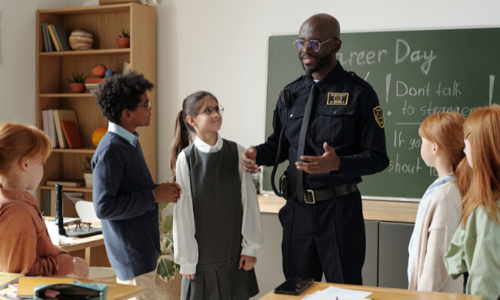
Step-by-Step Career Exploration Strategies
1. Help Students Discover Their Strengths
Understanding strengths leads to more meaningful Career Exploration For Middle School Students and builds a strong foundation for future decisions. Encourage students to reflect on:
-
What subjects energize them?
-
What activities make them lose track of time?
-
Where do they feel most confident?
Students can learn more about their personalities and explore their interests on:
-
O*NET Interest Profiler: From the U.S. Department of Labor, this tool helps students identify careers that match their interests.
-
CareerOneStop Skills Matcher: Links students’ skills to various occupations.
Understanding one’s learning style is just as important as one’s strengths since both contribute to study efficiency. To learn more about how learning preferences factor into academic success, Unlocking Potential: Learning Styles and Your Middle Schooler is a must-read!
2. Master Essential Skills That Support Future Success
Career readiness is more than just getting hired and securing a job. It means developing transferable skills, like communication, collaboration, time management, and problem-solving.
3. Build Critical Thinking and Decision-Making
Encourage students to ask themselves questions like:
-
Why does this career interest me?
-
What problems does this job help solve?
-
What skills would I need to succeed?
This self-reflection builds meta-cognitive skills, or in other words, the ability to think about how you think. Strong critical thinking also supports future leadership.
To learn more about how these skills shape success academically and in life, check out: Building Young Leaders: How Critical Thinking Skills Shape Academic Success.

4. Connect Schoolwork to Future Possibilities
Students may not readily know what they want to do, but they can connect subjects learned in school to real-world applications:
-
Math → Architecture, Data Science, Finance
-
Science → Medicine, Environmental Science, Engineering
-
English → Journalism, Marketing, Law
-
Art → Design, Animation, Multimedia
For real stories and insights into careers, here are some reputable external career exploration tools:
Making Career Exploration a Habit
Along with educators at school, families can help support middle schoolers’ career exploration at home through:
Encouraging Open Conversations
Ask questions like:
-
What did you enjoy most this week in school?
-
What kinds of problems would you like to solve someday?
-
If you could design your ideal day, what would you be doing?
These open discussions help students process and share their interests and preferences.
Supporting Real-World Experiences
When possible, give students exposure beyond the classroom:
-
Job shadowing or career tours
-
Interviews with adults in different fields
-
Volunteering or community service activities
-
Project-based learning tied to student interests
Even the smallest experiences can spark big dreams!
Final Thoughts
Middle School Career Exploration is about self-discovery, confidence-building, and intentional growth. When students understand their strengths, develop essential skills, and connect their learning to purpose, they are better prepared both academically and personally.
By practicing self-reflection and intentional conversations, families and educators can help students unlock their potential, not only for school, but also for lifelong learning and success!