What Is Model UN and Should Your Student Join?

If your student enjoys debating ideas, solving problems, or learning about the world, Model United Nations (Model UN or MUN) may be the perfect extracurricular activity. Found in many middle and high schools, Model UN gives students the opportunity to step into the role of diplomats, collaborate with peers, and tackle real-world issues through research, discussion, and negotiation.
While it may sound intimidating at first, Model UN is designed to help students build confidence, develop leadership skills, and become more informed global citizens—all while having fun.
Here’s what parents should know about Model UN and whether it could be a good fit for their middle schooler.
What Is Model UN?
Model UN is an educational simulation of the United Nations. Instead of representing themselves, students are assigned a country and asked to represent that nation’s perspective on international issues.
Participants research their assigned country’s history, policies, and priorities before participating in committee sessions where they discuss global challenges, debate possible solutions, and work with other delegates to draft resolutions.
Topics can include:
-
Climate change
-
Global health
-
Human rights
-
Refugee crises
-
International security
-
Access to education
-
Sustainable development
-
Food and water security
The goal is not to “win” an argument. Instead, students practice diplomacy by listening, negotiating, and finding common ground with others.
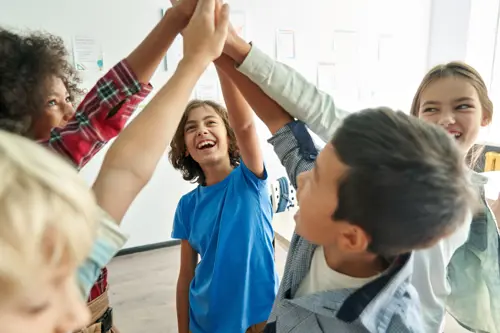
What Happens During a Model UN Conference?
Most Model UN programs include meetings throughout the school year, followed by one or more conferences where students participate in committee sessions.
During a conference, students typically:
-
Represent an assigned country.
-
Deliver opening speeches.
-
Participate in moderated and unmoderated debates.
-
Research and defend their country’s position.
-
Collaborate with other delegates.
-
Draft and revise resolutions.
-
Vote on proposed solutions.
Conferences often resemble professional international meetings, giving students a chance to experience formal public speaking and teamwork in a supportive environment.
Skills Students Develop Through Model UN
One of the biggest reasons schools encourage participation is that Model UN helps students develop practical skills that extend far beyond social studies.
Public Speaking
Many students are nervous about speaking in front of others. Model UN provides frequent opportunities to practice presenting ideas in a structured, encouraging environment.
Over time, students often become more comfortable expressing themselves in classrooms, clubs, and future interviews.
Research Skills
Before every conference, students spend time learning about their assigned country and the issues their committee will discuss.
They learn how to evaluate reliable sources, organize information, and support their arguments with evidence—valuable academic skills that apply across all subjects.
Critical Thinking and Problem-Solving
Global issues rarely have simple solutions. Students must consider multiple perspectives, weigh competing priorities, and think creatively about possible compromises.
These experiences strengthen analytical thinking and decision-making skills.
Collaboration and Leadership
Success in Model UN depends on working with others.
Students learn how to negotiate respectfully, build consensus, resolve disagreements, and lead discussions—all important leadership qualities for school, college, and future careers.
Building Global Awareness
Model UN encourages students to look beyond their own communities and understand the challenges facing people around the world.
As they research different countries and cultures, students gain a greater appreciation for diverse perspectives and develop empathy for people with experiences different from their own.
This broader worldview can inspire curiosity, cultural understanding, and lifelong interest in global affairs.
Is Model UN Right for Every Student?
Many parents assume Model UN is only for students who excel in history or politics, but that is not the case.
Students who often enjoy Model UN include those who:
-
Like discussing current events.
-
Enjoy researching interesting topics.
-
Want to improve public speaking.
-
Prefer teamwork over competition.
-
Are naturally curious about different cultures.
-
Enjoy solving complex problems.
Even students who are initially shy often find that Model UN helps them build confidence over time.
How Parents Can Support Their Child
If your child decides to join Model UN, your encouragement can make a big difference.
You can support them by:
-
Asking about the country they are representing.
-
Discussing age-appropriate world events together.
-
Encouraging them to practice speeches aloud.
-
Helping them organize research materials.
-
Celebrating their effort and growth—not just awards or recognition.
Remember, the goal is skill development and personal growth, not perfection.
What If Your Child Is Nervous?
It is completely normal for students to feel intimidated before their first conference.
Speaking in front of classmates, learning parliamentary procedures, and debating unfamiliar topics can seem overwhelming at first.
Fortunately, most Model UN clubs welcome beginners and provide guidance throughout the process. Advisors and experienced students often mentor newcomers, helping them learn conference procedures, research strategies, and public speaking techniques.
Many students who begin quietly end the year feeling significantly more confident in both academic and social settings.
Why Colleges Value Model UN
Although college admissions may seem far away for middle school families, extracurricular activities like Model UN help students begin developing skills that admissions officers and future employers appreciate.
Model UN demonstrates a commitment to:
-
Leadership
-
Communication
-
Collaboration
-
Research
-
Critical thinking
-
Civic engagement
More importantly, it helps students discover interests they may continue pursuing throughout high school and beyond.
External sources that might help
United Nations – Official Website
-
Great for explaining the mission of the United Nations.
-
Discusses youth engagement and global citizenship.
-
One of the most recognized educational resources for Model UN. It explains conferences, procedures, and participation in a way that is accessible to students and parents.
Final Thoughts
Model UN offers middle school students much more than an introduction to international affairs. It provides a supportive environment where they can strengthen communication skills, practice leadership, think critically, and work collaboratively to solve real-world problems.
Whether your child dreams of becoming a lawyer, scientist, teacher, entrepreneur, engineer, or public servant, the skills developed through Model UN can benefit them in countless ways. Even students who are simply looking to try something new may discover a passion for learning about the world and making a positive impact.
For many middle schoolers, joining Model UN is more than just another extracurricular activity—it is an opportunity to grow into a confident, informed, and engaged global citizen.